


Peinture à l'aquarelle de coq : tutoriel étape par étape


What You'll Need
- Papier
- Pinceaux
- couleurs de peinture
- Palette
- verre d'eau
- crayon
Color Palette
Si votre dernière tentative de portrait animalier a fini par ressembler à une goutte détrempée aux contours provoqués par la panique, vous n'êtes pas seul. Une aquarelle de coq intimide souvent les débutants à cause de ses plumes complexes et de son attitude « Je dirige cette ferme ».
Mais voici le secret : vous n'avez pas besoin de peindre chaque plume. En fait, si vous le faites, cela aura l’air raide. Dans cette « Étude sur un carnet de croquis en vrac », nous capturons l’énergie du coq en 25 minutes environ. Nous utiliserons des traits audacieux et irréguliers et un mélange mouillé sur mouillé pour créer un oiseau qui semble fier, ébouriffé et vivant.
Les Fournitures (Restons Simples)
- Papier : 140 lb / 300 g/m² papier aquarelle grain fin. (The texture helps create those dry-brush tail feathers).
- Pinceau : A Medium Pinceau Rond (Size 8 or 10) with a sharp point.
- Peintures : See our "Barnyard Boss" palette below.
La Palette de Couleurs
Based on the earthy, moody study above, we are using a warm, rustic palette.
- Cramoisi d'Alizarine (or a Deep Red): For the crown and wattle.
- Terre de Sienne Brûlée: For the glowing, rusty neck feathers.
- Terre d'Ombre Brûlée: For the shadowed chest and body.
- Indigo (or Gris de Payne): For the deepest contrasts in the tail.
Étape par étape : votre aquarelle expressive de requin
Le secret d'un requin est le contre-ombrage. Sombre en haut, clair en bas. On laisse le papier faire le travail pour le ventre. Cela signifie qu’il faut résister à l’envie de tout peindre ; le blanc le plus brillant de l’aquarelle est le papier lui-même, alors gardez ce ventre sec et intact. Nous construisons la forme par le contraste, et non en dessinant chaque échelle. Si vous êtes prêt à améliorer votre réserve d'art avec du papier capable de supporter ces lavages intensifs sans se déformer, parcourez la collection sur Tobio's Kits. Maintenant, prenez votre pinceau et sculptons ce prédateur dans l'ombre et la lumière.

La couronne du roi et le cou en cascade

Le coffre moucheté

La queue élégante
Dépannage : résoudre rapidement les problèmes courants d'aquarelle
My colors turned muddy
- Cause: too many layers while still wet, or mixing complements without a plan.
- Fix: let it dry fully, then glaze a single clean color over the area to unify it.
I got harsh outlines and it looks cartoonish
- Cause: outlining everything with dark paint or pencil.
- Fix: soften edges with a damp brush, and switch to painting shadows instead of borders.
My paint made cauliflower blooms
- Cause: adding wet paint into a drying wash.
- Fix: either leave it (sometimes it looks like feather texture) or re-wet the whole shape evenly and smooth it once.
Feathers look flat
- Cause: same value everywhere.
- Fix: push your darkest darks in a few places only, and keep highlights clean.
I cropped the tail or comb and now it feels awkward
- Cause: sketch too large or placed too close to the edge.
- Fix: next time, lightly mark a “safe zone” border first; keep key features inside it.
Pour plus de pratique pas à pas qui développe vos compétences sans être submergé, rendez-vous sur Tutoriels d'aquarelle et choisissez un autre sujet pour renforcer la même approche par couches.
Foire Aux Questions
My rooster’s tail looks like a solid brown blob. How do I fix it?
You likely used too much water or painted too slowly. The secret to those airy, sweeping tail feathers is the dry brush technique. Blot your brush on a paper towel before painting the tail so the bristles split slightly. This lets the white texture of the paper show through the strokes, mimicking individual feather strands without you having to paint them one by one.
Why did my red comb bleed everywhere and ruin the face?
Red is a bully pigment, it loves to take over! To keep the comb crisp, paint it on dry paper first and let it set for a moment before touching the neck colors to it. If you want that soft "waterfall" bleed into the neck hackles, tilt your paper slightly so gravity pulls the red down into the brown, rather than letting it explode sideways.
How do I make the rooster look angry/alive instead of like a toy?
It is all in the eye. A black dot looks like a doll's eye. You must leave a tiny pin-prick of white paper unpainted in the center of the dark Indigo eye. If you accidentally painted over it, wait for it to dry and use a dab of white gouache or a gel pen to bring that spark of life back.
Should I paint feet on my rooster?
For this loose rooster peinture aquarelle style, feet are optional! Often, painting detailed chicken feet can look clumsy and distract from the beautiful plumage. Instead, try suggesting the legs with two quick, dry strokes and grounding the bird with a messy shadow of Terre d'Ombre Brûlée or grey, as if he is standing in straw.
Conclusion
A great rooster isn’t about painting every feather. It’s about smart layers: big simple shapes, controlled shadows, and a few confident details where they matter. Use the steps above to build a rooster peinture aquarelle that feels loose, bold, and full of attitude, without the muddy chaos.
When you’re ready for your next project, head back to Tutoriels d'aquarelle and keep stacking small wins. That’s how your aquarelle gets good, fast.
Mel, Founder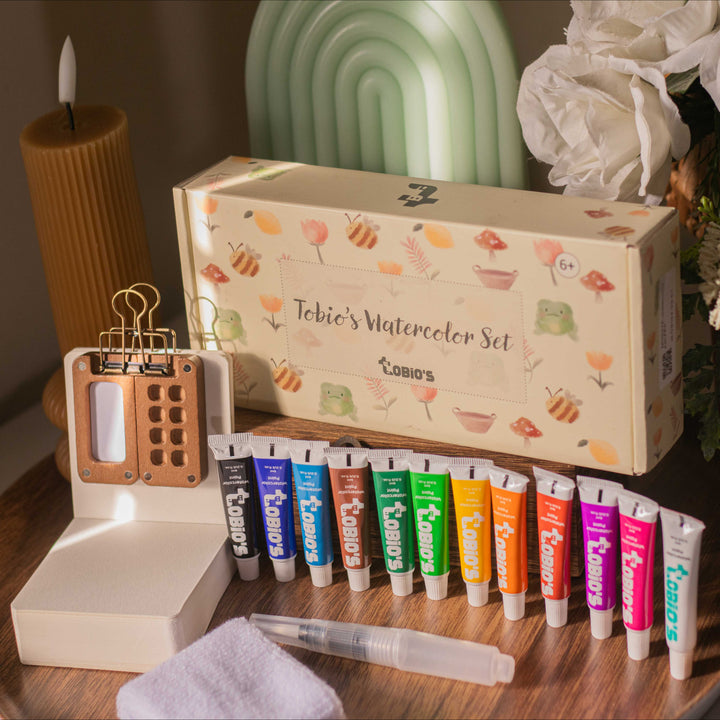
Prêt à peindre ?
Ce tutoriel a été conçu pour être utilisé avec notre kit aquarelle.
Acheter le kit


